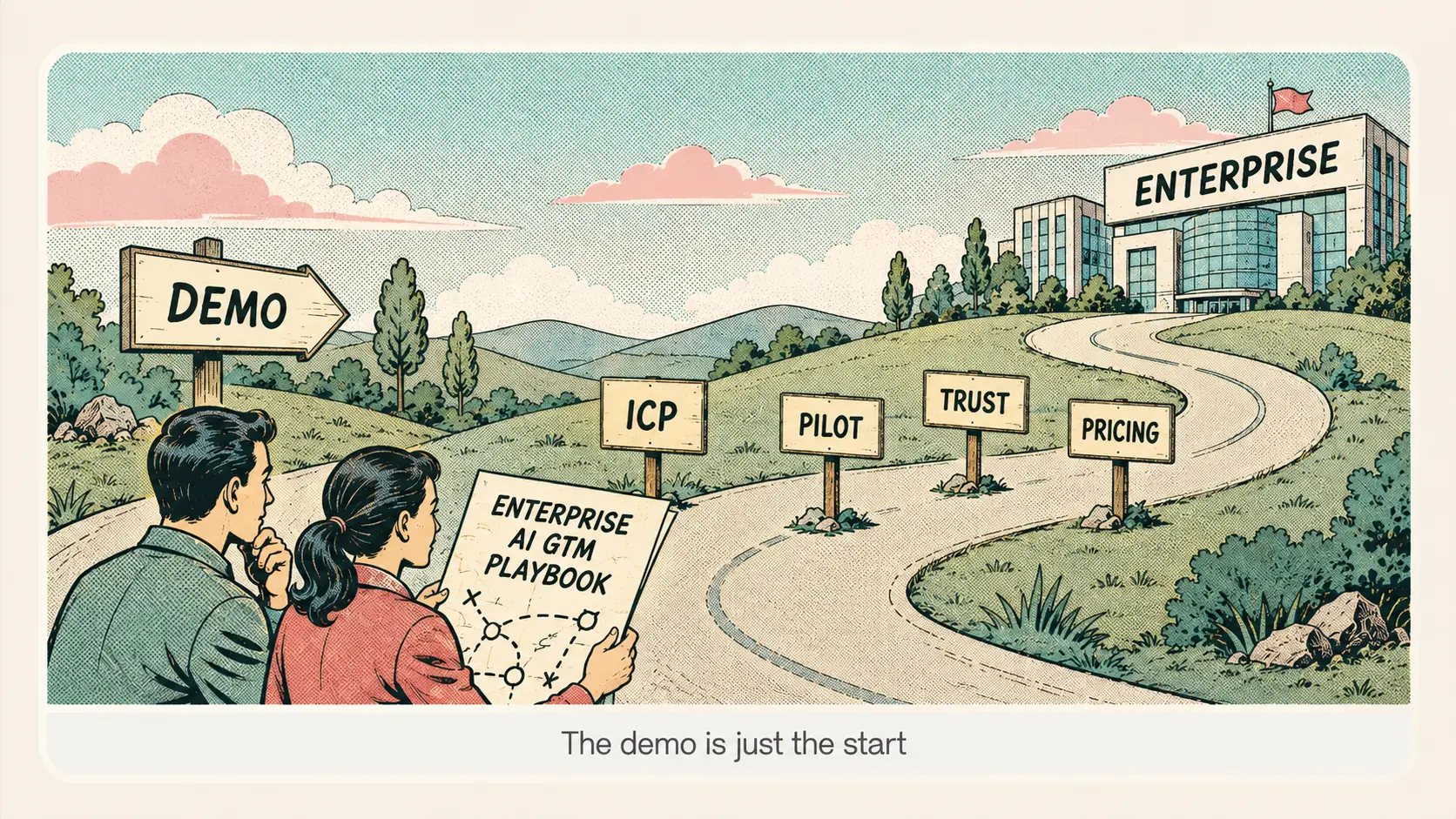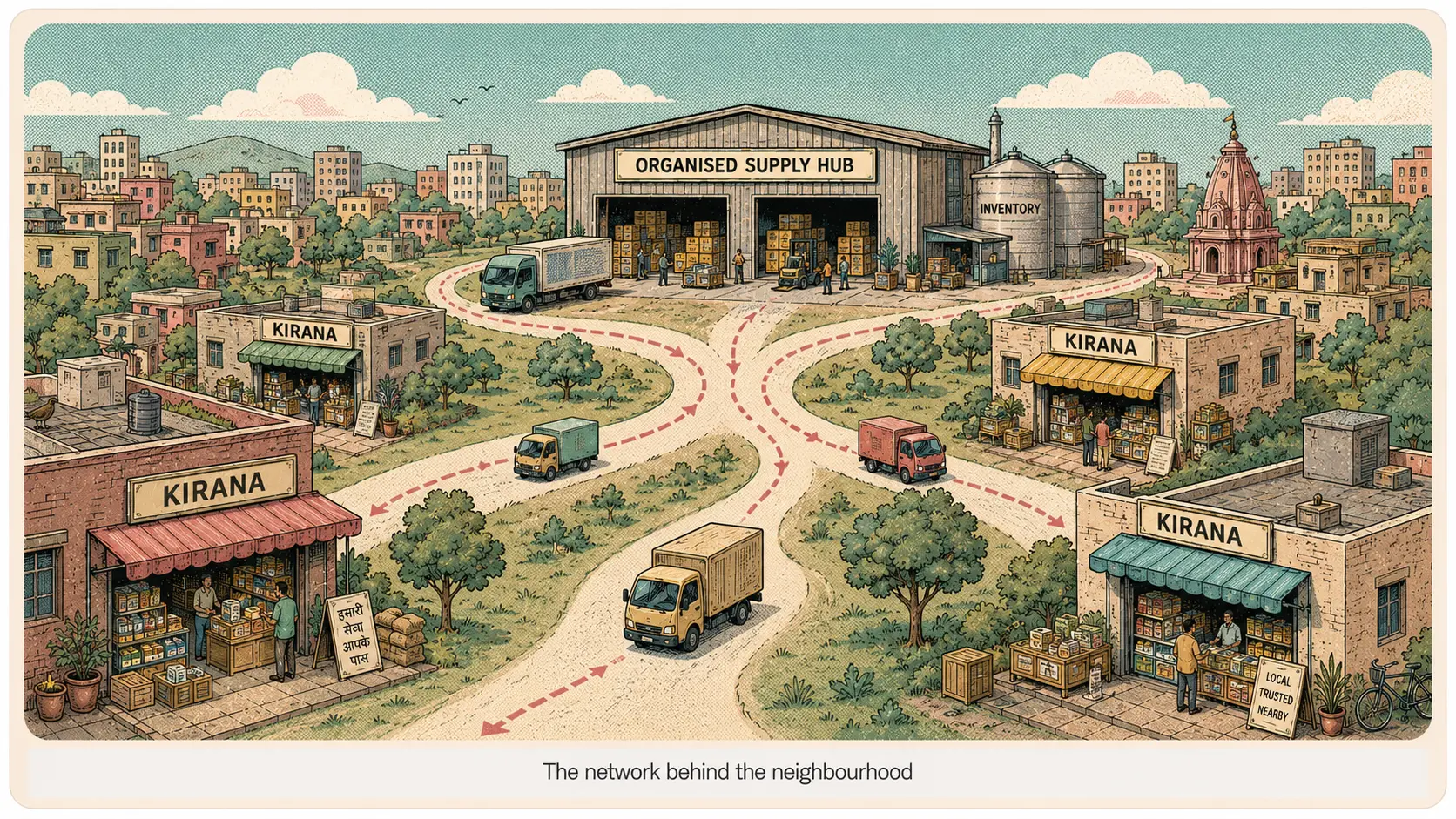

Enterprise AI is a technology shift that has forced markets to redraw old boundaries. For India’s SaaS ecosystem, this is both an opportunity and a test. The next generation of companies may not look like pure-play SaaS businesses, but AI-native hybrids built around outcomes.
In this article, Bala Srinivasa examines how enterprise AI can reshape SaaS and India’s software opportunity. According to Bala, the article goes like this:
“Enterprise AI for SaaS and India’s Hybrid Opportunity
Klarna’s decision to dump Salesforce, or Marc Benioff blasting Microsoft Copilot as being inferior to Salesforce agents, are just a couple of headlines in the jostling to influence the direction of enterprise AI adoption. While it may take another 18 months for the market to firm up, the trend lines are already clear.
With AI, the lines between software and services are blurring. This evolution is going to force SaaS and services companies to rethink their business models, moving beyond the traditional separation of standardised products and customised consulting services toward a unified, AI-driven approach that offers greater value to customers. For India's SaaS start-ups, this shift represents both a huge opportunity and an extinction risk.
Past technology shifts have reshaped market leadership
Every decade or so, new technology stacks have offered massive opportunities for enterprises to drive higher growth and efficiency. From mainframes to AS/400 to client-server to SaaS, these shifts have been monumental in both value creation and destruction. A handful of incumbent vendors evolve, while many disappear into the pages of history. During each shift, a new set of market leaders prospered, but in turn could never escape their own tryst with an inevitable new technology inflexion point.
I started my career as an equity analyst covering software companies in the mid-nineties. It was the time of client-server architectures and a new, rapidly growing breed of enterprise software companies such as SAP, Oracle and PeopleSoft at the application layer, along with many more in middleware and data management, including BMC Software, Citrix and Informatica.
These companies focused on building products: enterprise software that could address a wide array of business functions. These solutions were robust but required significant customisation and support. Accenture and similar consulting firms seized this opportunity, providing the services needed to tailor, implement and maintain these systems. The distinction between software products and service providers was clear and formed the foundation of enterprise IT.
The emergence of SaaS began to shift this dynamic. Solutions like Salesforce provide software hosted in the cloud, requiring less infrastructure investment and fewer technical resources from the customer. These solutions reduced complexity by integrating some elements of service, such as automatic updates and cloud hosting, into the core offering. Yet even SaaS companies like Salesforce still needed consulting firms and in-house experts to handle customisation and integration into broader enterprise ecosystems.
The SaaS era did not fundamentally disrupt the traditional swim lanes. Enterprise SaaS companies focused on building “one-to-many” offerings that were architected for standardisation and ease of deployment. For SaaS companies, customisation was viewed as suicidal and a major barrier to rapid growth.
From an enterprise standpoint, while SaaS was easier to implement, it did not completely solve for company-specific and complex business flows. This again worked well for PwC, Accenture, and later Indian IT majors like Infosys and TCS. Each generation of enterprise software created legacy systems that needed consultants and services to operate seamlessly. For services companies, customisation was the core value proposition that allowed them to engage clients on multiyear projects well after the software vendor made the original sale.
AI in the enterprise will force convergence at a rapid pace
AI in SaaS is fundamentally changing this model of separation between products and services. AI has the potential to enhance both the software itself and the process by which it is customised, deployed and maintained, creating opportunities for convergence in several key ways.
1. Automated customisation and deployment: AI can make enterprise software more adaptable to individual customer needs. Through machine learning, software can analyse customer data, business processes and operational environments to automatically adapt its features and workflows. This AI-driven customisation reduces the need for intensive manual configuration by consulting firms, allowing businesses to deploy software faster with solutions that are already tailored to their needs.
2. Integrated AI agents for process automation: AI can provide proactive and predictive support that blurs the line between product and service. AI-driven software is moving towards offering built-in assistants that help automate business processes. These AI agents can perform tasks traditionally managed by consultants, such as configuring workflows, analysing data for insights and offering recommendations based on user behaviour. Instead of having a consultant analyse reports and suggest process optimisations, the software itself becomes the consultant, learning from historical data and industry best practices to suggest improvements.
3. End-to-end solutions: The rise of AI is also leading to the development of platforms that offer end-to-end solutions by integrating AI capabilities with both products and services. For example, ServiceNow and Salesforce are increasingly leveraging AI to not only automate workflows but also provide built-in intelligence that guides customers through deployment and optimisation. This end-to-end approach allows these platforms to offer a complete solution that spans software, deployment, support and optimisation.
Business models will change to reflect customer expectations
The current landscape, where SaaS companies focus on providing standardised software while service companies handle customisation and consulting, may not be tenable for long. As customers demand more integrated, personalised experiences that require both technology and deep business expertise, SaaS and services companies must rethink their business models in several ways.
1. Unified product and service offerings: SaaS companies will need to expand their scope to include more built-in services. This means developing products that come with embedded AI-driven consulting capabilities, providing tailored experiences that traditionally required separate service engagements. The aim is to create seamless offerings where the customer does not need to look for third-party consultants for deployment and optimisation.
2. AI-enhanced consulting models: Service providers like Accenture will rethink their role in the AI era. Instead of merely focusing on deploying and customising software, they must leverage AI to provide higher-value strategic advisory services. AI tools can automate much of the repetitive, labour-intensive work involved in system customisation, allowing consultants to focus more on helping customers extract strategic value from their data and technology investments.
3. Outcome-based models: Both SaaS and service providers are likely to move towards outcome-based pricing models, where they are compensated based on the results they deliver rather than merely the software or hours worked. AI makes it easier to track and optimise for outcomes, enabling providers to deliver measurable value, whether that means higher productivity, better customer satisfaction or increased revenue.
This is where enterprise automation and productivity software begin to move beyond dashboards and workflows. In the AI era, customers will increasingly expect software to deliver business outcomes, not just tools.
India has unique advantages with the new hybrid model
As AI becomes more deeply embedded in enterprise solutions, the distinction between products and services will increasingly disappear, replaced by platforms capable of delivering outcomes as a seamless, integrated experience. In this new landscape, traditional SaaS and service firms must either evolve towards hybrid models or risk being left behind by more agile competitors.
Market shifts like this represent significant opportunities and risks. It is especially challenging for young SaaS companies to feel their way around a shifting landscape. However, a hybrid model leverages two of India’s strengths: SaaS product builders and a very strong core of experienced services companies.
This is why the Indian SaaS ecosystem may be well placed for the next phase of SaaS disruption. There are budding hybrid companies looking to rethink large verticals entirely with a new set of outcome-based offerings. For AI startup investors, this creates an important lens for evaluating the future of SaaS: the winners may not look like pure software companies or pure services firms, but a new class of AI-native hybrids.
While the near term may be rocky, it is clear that change is coming. Some incumbents will survive and thrive, but history suggests that big market shifts create a new wave of companies building on a fresh canvas. This is the mega opportunity for India’s best software and services minds.”
For us, the enterprise AI and SaaS conversation converges on customer expectations. Expectations that may, very well, change when AI starts being embedded into enterprise workflows.
India has a meaningful leg-up because it combines SaaS talent with deep services experience. If founders can bring these strengths together, the next wave of enterprise software from India may be built around measurable, tangible outcomes. This is the critical inflexion point where new leaders are created, and execution depth matters as much as technological innovation.