At Arkam, we believe the small business opportunity in India is not only about access or adoption. The harder question is monetisation.
This piece from Bala Srinivasa looks at the monetisation challenge across marketplaces, SaaS and fintech-led models, and why serving small businesses in India requires sharper thinking around pricing, revenue linkage and customer value.
“The Small Business Market Monetisation Quandry
With global doom and gloom around rising inflation, higher interest rates and an economic slowdown, start-ups are figuring out life under much more difficult funding conditions. For those targeting the small business market in India, the days of “acquire customers and figure out monetisation later” are likely gone.
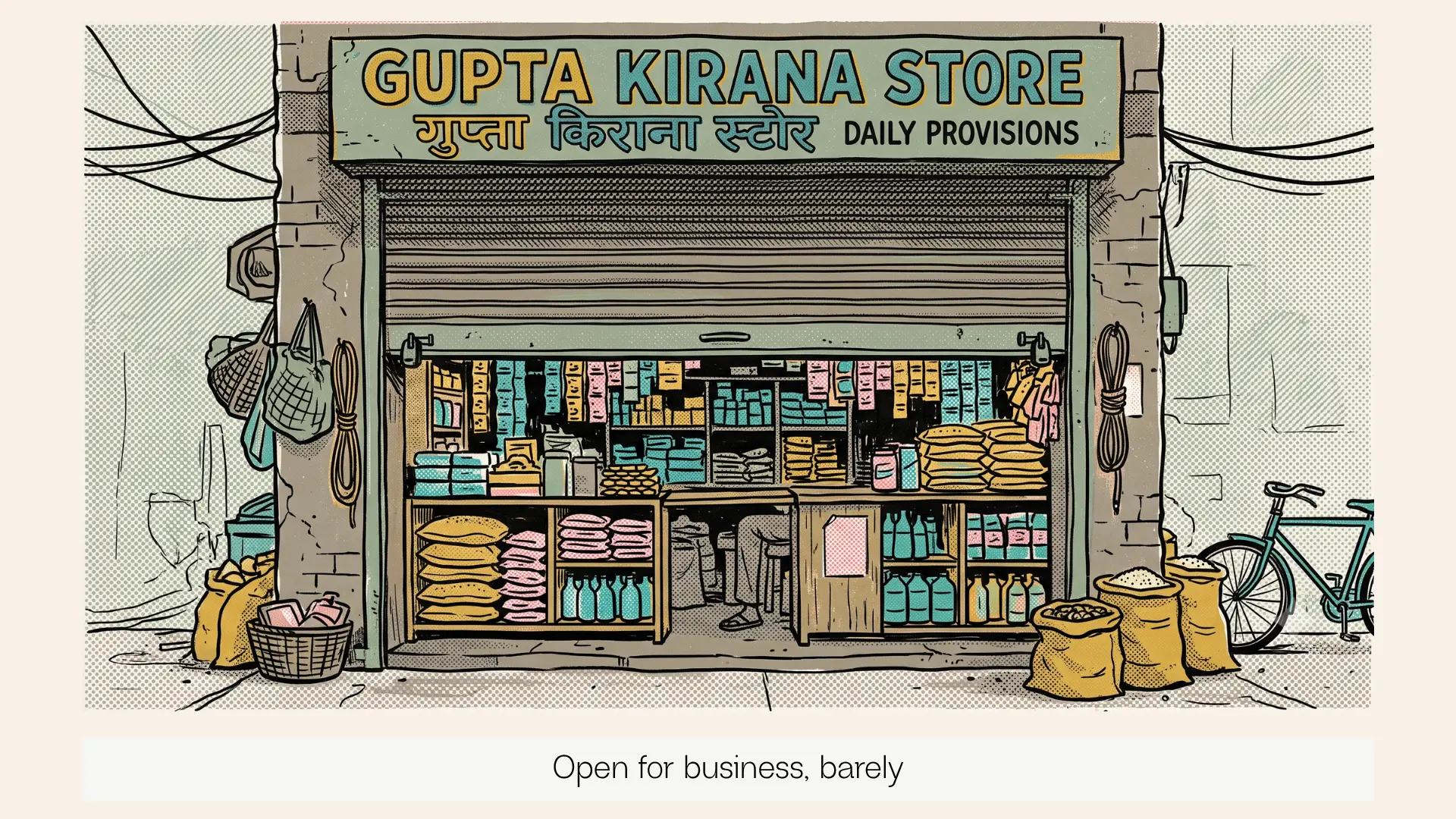
Walk down any sizeable part of town in a tier 1 or tier 2 city, and you will likely see half a dozen kirana stores, bakeries and a bunch of pharmacies on the same street. You may wonder about competition, splintering of market share and customer loyalty risk. For the small business entrepreneur, it is a way to make a living with a target daily and weekly income in their local community. They are not necessarily in the business of planning out a mega expansion strategy. Some will, but most are running hard to stay in the same place.
For start-ups pitching the 60 million small business opportunity, they need to solve for this type of customer and find ways to add value, scale and monetise at the same time. There is often strong adoption when the product is free. However, uptake is limited at the higher price points needed to build the businesses, start-ups imagined and pitched to their investors.
The grid shows the types of start-up solutions that exist across revenue and cost functions of a small business, along with some common start-up business models. Marketplaces have done well across the board, especially in vertical-specific segments where they have been able to solve for specific constraints. The bottom left and bottom right quadrants are the SaaS and point solution providers that target small businesses with various offerings captured by function. There are over 300 funded start-ups in the bottom two quadrants vying to service small businesses.
Marketplaces and Aggregators are a Great Solution for India, but there’s a Catch
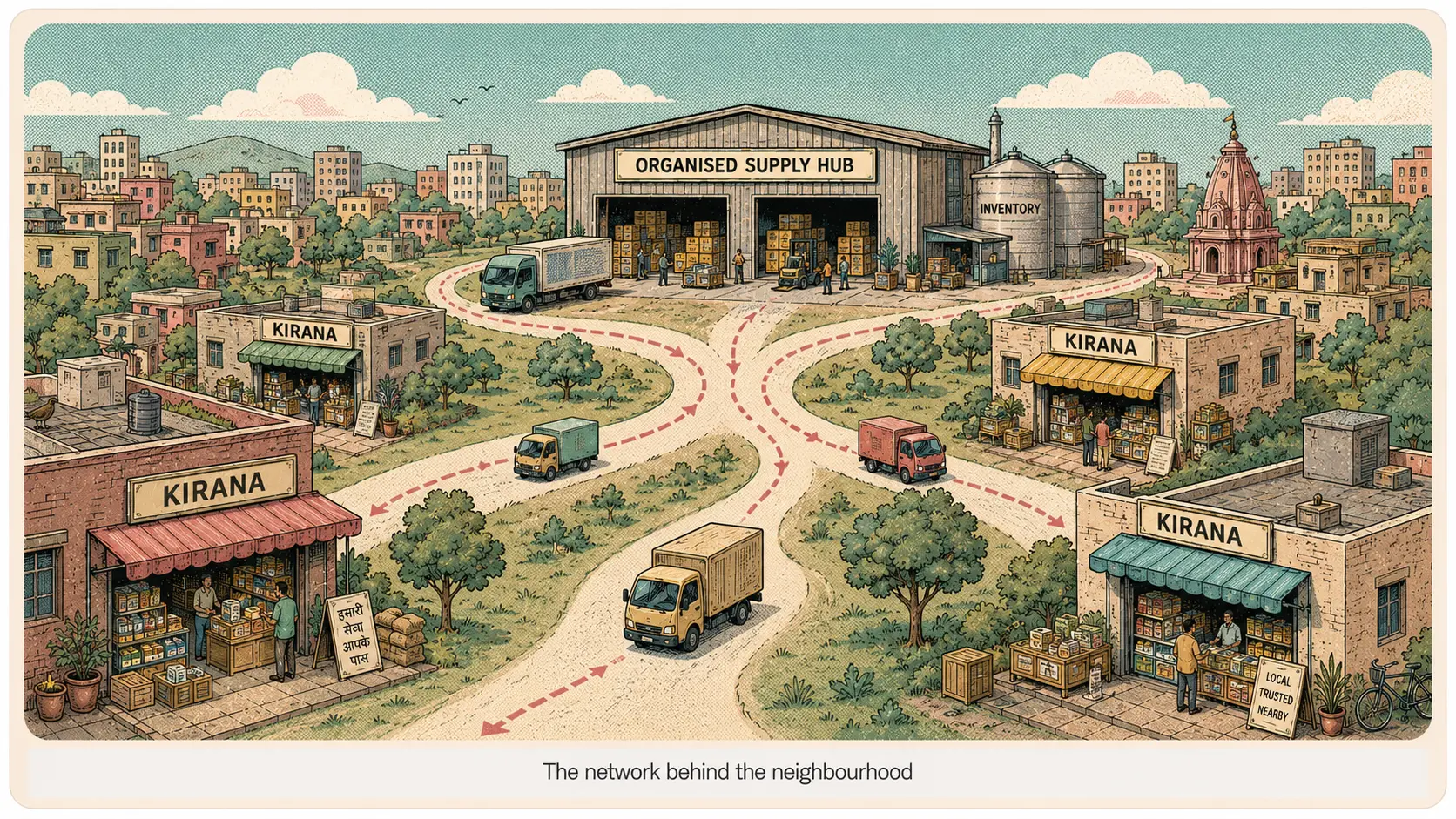
Marketplaces and aggregators have played a meaningful role for small and medium enterprises. There are numerous examples: Zetwerk, Porter, Swiggy, Jumbotail, Udaan, Oyo and OfBusiness are changing the way demand, supply and goods flow to and from small businesses. For many small businesses, these platforms are driving new customers and consistency of volume that they could never achieve on their own.
For small businesses, these platforms are the new middleman. In areas like manufacturing and retail, they are much better for small businesses to deal with than the complex mix of distributors and wholesalers who previously controlled business flows. Most marketplaces start with attractive terms such as low commissions, shipping discounts and price rebates, which reduce over time as the number of participants increases.
The core value most marketplaces have discovered is actually small business financing, which is what makes the relationship sticky and also valuable to the supplier. This is one reason MSME fintechs have become such an important part of the small business ecosystem.
There is a cross-over point where the small business is hooked onto the platform but is often back to square one in terms of earnings. Many of these small businesses operate on razor-thin margins, including kirana stores and logistics operators, where the platform becomes yet another middleman taking out a chunk of the transaction value. The platform needs to monetise, but the user needs to see continuous value as well.
For a while, marketplaces can work by recycling through small businesses that can afford to pay, but this is unlikely to be sustainable. We are beginning to see marketplaces take a much more involved role in small business health and growth, because it is in their own interest to make this happen. The way to greater monetisation is through offering a range of other services that can increase wallet share rather than relying only on marketplace commission.
Small Business SaaS solutions have to make the “Usage to Revenue” leap
We have seen many terrific India-specific SaaS solutions that automate and greatly improve process flows for AR/AP, invoicing, HR, payroll and taxation, among others. There is clear value in the digitisation of small businesses, but it has been a harder sell to monetise at scale with productivity enhancement.
For most small businesses working on tight margins, there is limited budget to pay for multiple new solutions. A related challenge is lower benchmark pricing from existing solutions such as Tally, which already works for them, that a new start-up has to overcome.
Many start out by making the product inexpensive to gain traction and have gained tens of thousands of customers with easy-to-use digital solutions. A typical price point averages around INR 5,000 to INR 15,000 a year for businesses with fewer than 10 employees. Even with thousands of customers, these price points do not allow for revenue scale for the provider.
This means the provider needs to expand into adjacent categories that the customer views as crucial to their business. For small businesses, the challenge is not only usage. It is proving that the product can become part of the owner’s revenue, cost or cash-flow decisions.
Proving Customer Acquisition and Exploring Transaction-Based Pricing
Derivative impact is often hard for small businesses to value. For example, being able to help a small business increase the efficiency of customer payments past due, send invoices or run WhatsApp-based promotions is not always factored as a “must have” by the business owner. These are valuable, but difficult to monetise.
One of the proof points from marketplaces has been that small businesses are quite happy to pay for customer flow and transaction-based commissions. We see very meaningful opportunities for companies that can directly demonstrate customer acquisition and tie that to revenue flow. This is immediately seen as a “must have”.
Think of companies like Razorpay, which have made digital payments part of the small business transaction flow and get paid per transaction. Proving customer acquisition value by linking it to per-transaction revenue or margin is a much stronger way to go.
For founders who are much more tech-focused, this is a value-based messaging challenge as much as a product issue. Their solution does add a lot of value, but it is often not presented to the small business owner in a context that matters to them. Whether on the cost side or the revenue side of the grid, showing in-app “value accrual” is a huge step in this direction.
We see transaction-based pricing on top of a base SaaS subscription as a much more scalable model. It aligns the needs of both parties and creates a stronger path for MSME monetisation without overburdening the customer upfront.
Lending is a Monetisation Strategy, but not for Everyone
Managing cash flow is among the biggest challenges for a small business. Small business owners hate variability in their cash flow and daily or weekly take-home incomes. This has resulted in many SaaS providers taking the fintech route.
SaaS companies providing invoicing, HR, payroll and similar solutions do have valuable datasets that should allow them to provide risk-adjusted credit and working capital better than traditional players. Credit as the path to monetisation is a favourite long-term strategy, but not an easy one.
What gets left out is that many of these start-ups do not have fintech DNA. The execution side of lending is complex at the best of times, and these teams have to significantly retool their management team and strategy to make this work. We are seeing this play out with many start-ups that have raced ahead in terms of small business customer acquisition but are struggling with making the credit story stick.”
For venture capital firms and investors in India, this is where the SME market in India opportunity needs to be evaluated with more nuance. The size of the market is undeniable, but the SMB market challenges are equally real: thin margins, fragmented demand, cash-flow volatility and the need for products that create immediate, measurable value.
The next wave of MSME growth opportunities will likely come from companies that do not just digitise workflows, but build monetisation models around what small businesses already value: customers, credit, cash flow and confidence.