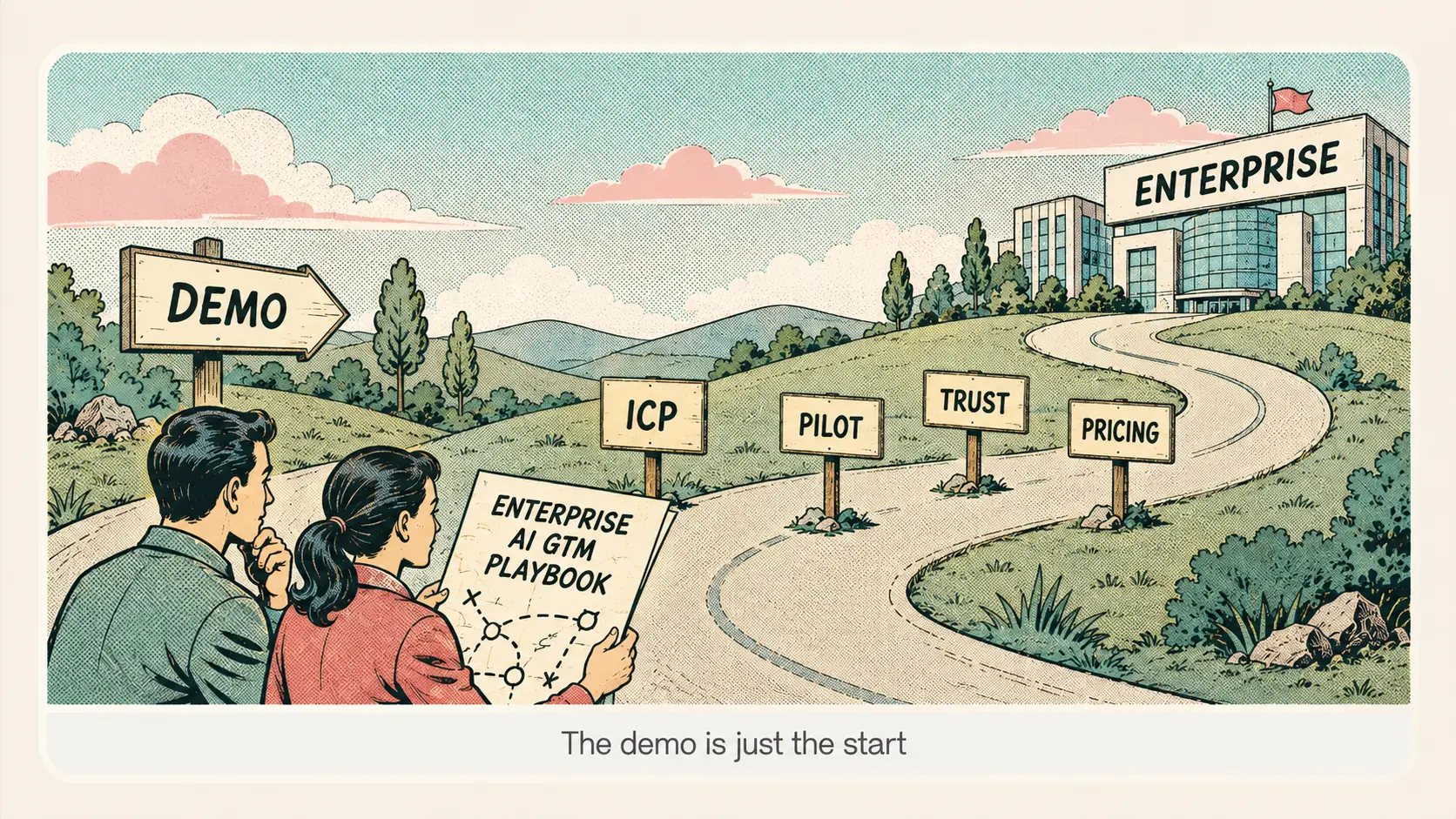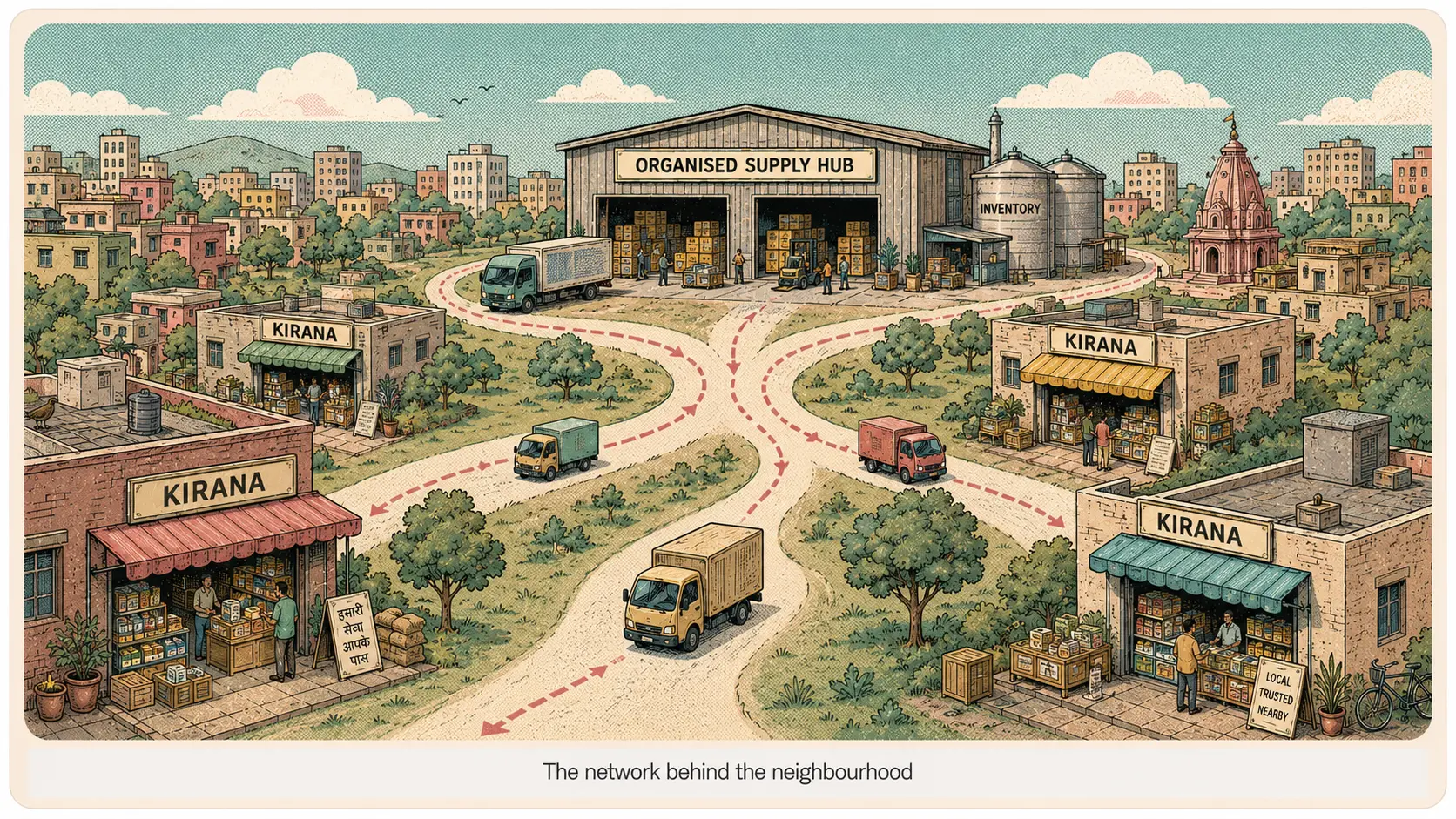
At Arkam, we look closely at how focused startup ideas can become large outcomes when founders understand whether they are serving a small niche or using a niche as an early wedge into a much larger market. This distinction matters because some products scale through concentric expansion, while others require entirely new business lines to keep growing. In this article, originally published on LinkedIn, Abhishek Mishra examines how companies can move from niche use cases to billion-dollar businesses by understanding TAM, product-market fit, adjacent offerings and go-to-market expansion.
“Niche Markets to Billion-Dollar Businesses
A lot of exceptional companies built in the past 20 years started by targeting niche markets/use cases and have since evolved into large multi-billion dollar enterprises. A logical follow-up question is why only a select few companies targeting niche markets eventually become multi-billion dollar entities serving larger markets, while many others do not.
What sets them apart? Were they serving a smaller Total Addressable Market (TAM), or were they catering to early adopters of a large TAM, with a clear understanding of why anyone beyond the early adopters would become their customers/users?
There are two core vectors that drive a company's growth:
Use cases/products
Customers
If the use case a company is solving has utility for a very large customer base, it still needs to begin with a focus on a specific customer segment and dominate that market to win its right to exist. Subsequent growth is fueled by identifying growth levers, thanks to early adopters, and using these levers to acquire and service a larger audience base. This growth can be visualized as concentric circles expanding with each iteration.
The key here is that the core offering remains consistent, while the features and growth strategies evolve as more users recognize the product's utility, guided by the evolving growth levers and newer go-to-market (GTM) approaches.
Several examples illustrate such growth stories:
Facebook: Initially served specific university campuses, identified growth and retention levers before scaling globally, while maintaining its core offering of sharing and communication.
Airbnb: Focused on day travelers to New York and homeowners/renters seeking to monetize extra rooms. Its core offering of seamless booking remained consistent as it scaled to booking holiday homes worldwide.
Amazon & Flipkart: These E-commerce giants started with the books category to lure book lovers and subsequently provided selection and convenience across various categories.
Entertainment Platforms: Platforms for ticket booking for buses/movies and digital streaming adapted to growing consumer preferences and cheaper mobile internet access.
The end objective of why customers use the product and the means largely remains the same; in essence, the use case remains constant, but now a larger number of customers use or buy the product.
The Pitfall of Low Market-Size Use Cases
In contrast, when a product's utility is limited to a small customer base (which is not growing fast enough), expanding revenue or user base often necessitates new products. While building or selling adjacent products is feasible, and can help you grow the revenue, doing so for entirely different product lines is challenging and needs a lot of resources.
The notion of "I have the customer, I can sell them anything" rarely holds true at early stages. Successfully expanding into new product lines (and not adjacent ones) requires significant resources and entails going through the entire Product-Market Fit (PMF) journey from scratch. While it's possible to build entirely different products and leverage existing sales channels, this needs operating in new business lines, indicating that the TAM for the earlier product was small.
This leap into building entirely different products to drive business growth is difficult, with limited leverage in establishing a new line of business. Each new product essentially positions the company as an upstart or challenger, making success not impossible but decidedly challenging. Think of it as a project management tool startup trying to sell a lending tech stack just because they have access to BFSI customers.
The Power of Adjacent Offerings
In some cases, companies successfully add adjacent use cases/products, as exemplified by Groww, which started as a platform for buying direct mutual funds and subsequently added a brokerage business. The key lay in removing the friction, making it easier to serve customer demand for investing in stocks—it was an adjacent product for a similar customer base.
Ultimately, successful growth hinges on understanding the intersection of user needs and market opportunities, whether through iterative expansion within a core use case or strategic development of adjacent products.
So when you are trying to build on your next big idea, mapping out whether you are unlocking a true expansion lever or just exhausting a limited niche is what determines the multi-billion dollar trajectory.”
For us, the larger signal is that niche markets can be powerful starting points when they reveal a larger underlying customer need. The founders who scale successfully are often those who know when their core use case has room to expand, when adjacent products can deepen relevance, and when a market is too narrow to support venture-scale outcomes. Building from a niche requires focus, but scaling from it requires a clear view of customer utility, market size and the growth levers that can compound over time.